 listicle
Best Moisture Wicking Shirts for Lineworkers
Table of Contents
- What Makes the Best Moisture Wicking Shirts for Lineworkers
- Quick Comparison Table
- Moisture-Wicking Work Shirts: Fabric Types and Performance
- Best Fabric for Hot Weather Work Shirts
- Arc-Rated and Flame-Resistant Considerations for Lineworkers
- Durability and Performance in Harnesses and Climbing Gear
- How to Wash Moisture-Wicking Shirts to Extend Service Life
- Short-Sleeve and Long-Sleeve Options for Different Conditions
- Frequently Asked Questions
Last Updated: October 19, 2026
What Makes the Best Moisture Wicking Shirts for Lineworkers
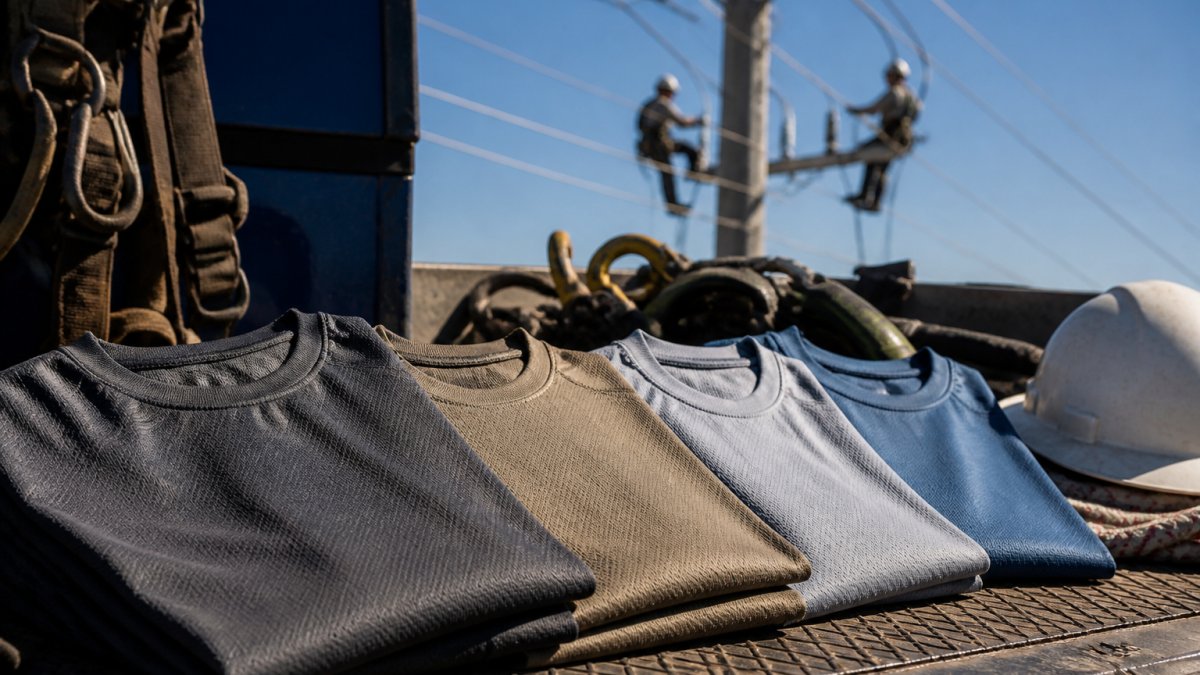
Finding the right shirt matters when you're climbing poles in summer heat or responding to storm damage. The best moisture wicking shirts for lineworkers isn't just about staying dry, it's about maintaining grip, preventing chafing under harnesses, and lasting through repeated washings and hard use.
The difference between a generic athletic shirt and one built for the trade comes down to fabric choice, construction, and jobsite performance, not gym use.
The best shirts combine quick-drying synthetic fabrics with thoughtful design. They manage sweat without clinging to your body, resist odor buildup over a full shift, and hold up to repeated laundering. Some jobs also demand flame-resistant or arc-rated protection, a requirement that changes the fabric game entirely.
Below, we'll walk you through fabric types, performance differences, and how to choose based on your work conditions, including harness compatibility, heat regulation, and durability.
Quick Comparison Table
| Shirt Type | Best For | Key Fabric | Durability | Heat Management |
|---|---|---|---|---|
| Polyester blend | General linework, hot weather | 88% polyester / 12% spandex | High | Excellent |
| Cotton-poly blend | Moderate heat, comfort priority | 50/50 cotton-polyester | Very high | Good |
| Merino wool | Cool mornings, odor control | 100% merino | High | Moderate |
| Arc-rated synthetic | Storm work, electrical hazards | FR polyester blend | Very high | Good |
| Long-sleeve synthetic | Sun exposure, climbing | 100% polyester | High | Very good |
Moisture-Wicking Work Shirts: Fabric Types and Performance
Moisture-wicking isn't magic, it's engineering. The fabric pulls sweat away from your skin and spreads it across a wider surface area so it evaporates faster, keeping you cooler and preventing the heavy, cold feeling of a soaked shirt.
Different fabrics achieve this in different ways, so understanding the trade-offs helps you pick the right shirt for your actual working conditions.
Polyester vs Cotton Work Shirts for Linework
Polyester wins the moisture-wicking battle. It doesn't absorb water the way cotton does, instead, it moves moisture to the fabric surface where it can evaporate. A 100% polyester shirt dries in roughly half the time of a cotton blend.
Cotton absorbs sweat and holds it, which is why a wet cotton shirt feels heavy and stays cold against your skin. For linework in hot conditions, that means reduced mobility and longer dry times between jobs or shifts.
Cotton does have one advantage: comfort on your skin. Many lineworkers prefer its feel, especially with sensitive skin or in moderate heat. A 50/50 cotton-polyester blend splits the difference, better moisture management than pure cotton with a softer feel.
Durability favors cotton slightly. Pure polyester can pill and lose shape faster with repeated washing, while a quality cotton-poly blend often outlasts it through multiple seasons of hard use.
Synthetic Blends and Heat Regulation
Modern synthetic blends add spandex or elastane for stretch and mobility. A typical 88% polyester / 12% spandex blend gives you movement freedom when reaching, climbing, or working in a harness, and helps the shirt recover its shape after washing.
Synthetics move moisture away from your body quickly, keeping you cooler in direct sun or high heat, which is why they dominate storm restoration work and summer climbing.
The trade-off is breathability. Pure synthetics can feel plasticky and trap heat if the weave is too tight. Better moisture-wicking shirts use an open weave that lets air flow; lighter weights (around 4.5-5 ounces) breathe better than heavier constructions.
Best Fabric for Hot Weather Work Shirts
Above 85 degrees, fabric choice becomes the main factor in your comfort. A moisture-wicking work shirt designed for heat should move sweat quickly, breathe, and not cling when wet.
Polyester-spandex blends dominate here. The 88/12 polyester-spandex ratio has become industry standard for a reason, it balances quick-dry performance with enough stretch to move with you. Look for shirts labeled "performance fabric" or "technical weave."
Merino wool is underrated for moderate heat. It regulates temperature better than synthetics and naturally resists odor, so you can wear it longer between washes. The downside: it costs more, dries slower than polyester, and can feel scratchy if it's not high-quality merino. For storm work in 90-degree heat, a synthetic wins; for all-day climbing at 75 degrees, merino may be more comfortable.
Color matters more than most people think. Light colors reflect heat; dark colors absorb it. In all-day direct sun, a white or light gray synthetic shirt keeps you cooler than black in identical fabric. Some lineworkers prioritize visibility or professional appearance over temperature, a fair trade, as long as you know what you're giving up.
Arc-Rated and Flame-Resistant Considerations for Lineworkers
Most moisture-wicking shirt guides stop at sweat. For lineworkers, the shirt is often part of a protective clothing system, which changes every fabric decision.
The core issue is melt behavior. Untreated synthetic fabrics can melt and drip when exposed to intense heat or an electric arc, which is why arc-rated clothing uses inherently flame-resistant fibers such as modacrylic, aramid, or FR-treated cotton blends.
Here is where moisture-wicking gets complicated. Arc-rated base layers exist, but they are heavier, less breathable, and slower to dry than gym shirts. Some lineworkers wear a thin moisture-wicking synthetic base layer under an arc-rated outer shirt, but this only works if the layered system has been evaluated for arc protection.
Practical selection rules for arc-rated work:
- Match the shirt's arc rating to the task's required ATPV, and keep documentation of the rating with the garment.
- Choose arc-rated base layers made from FR fibers, not standard polyester, when a base layer is permitted.
- Avoid fabric softener and dryer sheets on FR garments; residue can affect performance and flammability.
- Inspect for holes, thin spots, and contamination, damaged FR fabric may not self-extinguish as designed.
- Follow the manufacturer's care label exactly; some FR fabrics lose protective properties with improper washing.
For lineworkers who do not face arc hazards on a given task, standard moisture-wicking synthetics remain the better comfort choice. The key is knowing which mode you are in, general work shirt or protective clothing system, and choosing accordingly rather than treating wicking and arc protection as interchangeable.
Durability and Performance in Harnesses and Climbing Gear
A shirt that feels fine in a warehouse can fail in a harness within a season. Harness straps load the shoulders, chest, and waist, and every climb or bucket reposition adds abrasion at those contact points.
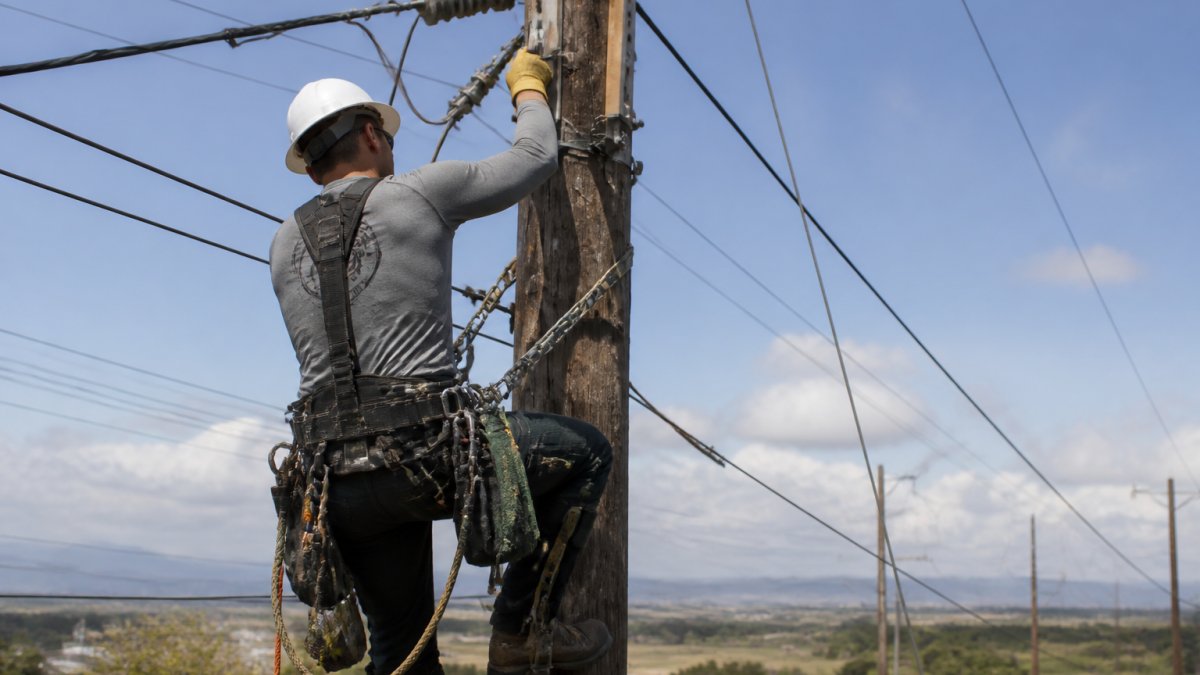
Start with seam placement. On a climbing shirt, the side seams and shoulder seams should sit away from where the harness straps load.
Fabric weight and weave matter more in a harness than on a job walk. A 5-6 oz tightly woven polyester blend generally outlasts a 4 oz open weave under sustained strap friction, since the denser weave resists pilling and abrasion.
Fit is a durability issue, not just comfort. Too loose and the shirt bunches under the harness, creating folds that rub; too tight and it restricts reach and pulls at the seams.
Abrasion resistance is the long-term test. Pole contact, rope friction, and repeated harness wear expose weak fabric quickly. Field check: rub the fabric firmly against itself and a rough surface; if it pills immediately, it won't hold up under harness friction. Also check the care label, shirts requiring gentle washing and flat drying are a poor match for jobsite laundry routines.
Finally, consider how the shirt interacts with your other gear. High-visibility vests, tool belts, and radio harnesses add layers and friction. A smooth outer face slides under vests and straps better than brushed or textured fabric, which can grab and bunch.
How to Wash Moisture-Wicking Shirts to Extend Service Life
Washing technique directly impacts how long your shirt lasts. Moisture-wicking fabrics need different care than cotton.
Use cold water, not hot, heat breaks down synthetic fibers faster and can set stains permanently. Wash with similar colors to avoid dye transfer. Use a gentle detergent; heavy-duty or enzyme-based formulas can damage the moisture-wicking coating on some fabrics. Skip fabric softener entirely; it clogs the pores that make the fabric breathable.
Turn the shirt inside-out before washing to reduce friction on the outer surface and protect against pilling. Wash with other performance fabrics, not heavy items like jeans that create extra friction.
Air dry when possible, machine drying generates heat that degrades synthetics. If you must machine dry, use low heat. Consistent high heat shortens the life of polyester blends significantly, potentially costing you a full season of wear.
For odor control, soak the shirt in white vinegar and water (1:4 ratio) for 30 minutes before washing. This neutralizes sweat buildup without harsh chemicals. Line-dry after this treatment.
Short-Sleeve and Long-Sleeve Options for Different Conditions
Short-sleeve moisture-wicking shirts dominate summer linework with maximum airflow and quick drying. The trade-off is sun exposure on your arms and shoulders, working 8-10 hours in direct sun makes sunburn a real issue, even with sunscreen.
Long-sleeve synthetic shirts solve the sun problem while maintaining moisture-wicking performance, drying almost as fast as short-sleeve thanks to thin fabric. The downside is slightly more heat retention and reduced arm mobility, though quality designs minimize this with strategic seaming and stretch panels.
Many experienced lineworkers keep both in rotation: short-sleeve for early mornings or cloudy days, long-sleeve for full-sun restoration work or extra protection. A quality long-sleeve moisture-wicking shirt costs more but covers multiple seasons of work.
Sleeve length also affects harness fit. Some harnesses sit better with short sleeves; others work fine with long. Test your gear combo before committing to a full wardrobe switch.
Finding the right moisture-wicking work shirt means balancing heat management, durability, and the specific demands of your jobsite. Shop the Lineman Collection and invest in shirts built to last through the work that powers this nation.
Frequently Asked Questions
What is the best fabric for moisture-wicking work shirts?
Polyester and polyester-cotton blends are the most effective for moisture-wicking work shirts. Polyester moves sweat away from your skin faster than cotton, drying in minutes rather than hours. Cotton absorbs moisture and holds it, making you feel wet and heavy during hot-weather work. Blends offer a balance of breathability and durability. For lineworkers doing storm restoration or climbing in heat, synthetic fabrics or high-polyester blends outperform pure cotton every time.
Are moisture-wicking shirts better than cotton for linework?
Yes, for most linework conditions. Moisture-wicking shirts pull sweat away from your skin, keeping you dry and reducing chafing during long climbs or harness work. Cotton absorbs sweat, stays wet against your skin, and increases fatigue in hot weather. However, if you work in mild conditions or prefer the feel of cotton, a high-quality cotton-polyester blend gives you some moisture-wicking benefit while maintaining comfort. The key is matching the shirt to your climate and work intensity.
How should you wash moisture-wicking shirts to make them last longer?
Wash in cold water with mild detergent to preserve the fabric's moisture-wicking ability. Avoid fabric softeners and bleach, which coat the fibers and reduce performance. Dry on low heat or hang-dry; high heat can damage synthetic fibers and shrink the shirt. Turn the shirt inside out before washing to reduce pilling and abrasion. Wash separately from rough workwear to prevent snags. Proper care extends the shirt's service life and keeps sweat management working effectively through many seasons.
Do moisture-wicking shirts keep you cool in hot weather?
Moisture-wicking shirts keep you cooler by removing sweat from your skin, allowing evaporation to cool you naturally. They don't lower air temperature, but by preventing sweat buildup, they reduce the heavy, clammy feeling that slows you down during storm work or climbing. Lighter colors and breathable fabrics enhance this effect. Combined with proper hydration and breaks in shade, a good moisture-wicking shirt helps you maintain comfort and performance in heat.
What shirt features matter most for storm restoration work?
For storm restoration, prioritize quick-drying fabric, durability against abrasion from climbing gear and branches, and sweat management for high-intensity physical work. Look for reinforced seams and pocket placement that doesn't interfere with harness fit. If you're working near electrical hazards, verify flame-resistant or arc-rated protection. Short sleeves offer mobility and cooling; long sleeves protect from sun and minor cuts. High-visibility options improve jobsite safety. Line Life Supply Co. designs apparel with these demands in mind.