 comparison
Buy Durable Lineworker Clothing Online: A Complete Guide
Table of Contents
- What Makes Durable Lineworker Clothing Worth the Investment
- Arc-Rated FR Clothing for Linemen: Understanding Protection Standards
- Essential Apparel Categories: What You Actually Need on the Job
- Winter Layering for Lineworkers: Stay Warm Without Sacrificing Mobility
- Lineworker Clothing Size Guide: Getting the Right Fit Online
- Durability, Care, and Cost of Ownership
- Why Lineworkers Choose Quality Apparel Over Cheap Alternatives
- Frequently Asked Questions
Last Updated: October 11, 2026
What Makes Durable Lineworker Clothing Worth the Investment
Durable lineworker clothing isn't just about looking the part, it's about staying safe, comfortable, and protected through the toughest conditions. When you're climbing poles in freezing rain or working storm restoration in 95-degree heat, cheap apparel fails fast. Seams split. Fabric tears. Protection disappears.
Line Life Supply Co. understands that lineworkers need gear built to last because the job doesn't stop for wardrobe malfunctions. Quality durable lineworker clothing handles repeated stress, harsh weather, and demanding physical movement without falling apart after a few washes.
The real cost of buying cheap isn't the money you save upfront, it's the money you waste replacing shirts every season. A shirt that lasts three years costs less per wear than one that lasts six months, even if the initial price tag is higher. Beyond economics, proper protective apparel can prevent serious injury on the job site.
Arc-Rated FR Clothing for Linemen: Understanding Protection Standards
Arc-rated clothing is engineered to protect against arc flash incidents, electrical events that generate extreme heat in milliseconds. When electricity arcs through the air, temperatures can exceed 35,000 degrees Fahrenheit. Standard cotton or synthetic fabrics ignite instantly. Arc-rated gear is designed to resist ignition and limit burn injury.
Arc rating measures how much energy a fabric can withstand before it reaches the point where a second-degree burn would occur on the skin beneath it. This rating is expressed in calories per square centimeter (cal/cm²). A shirt with an arc rating of 8 cal/cm² provides more protection than one rated at 4 cal/cm².
The key standard for arc-rated apparel is NFPA 70E, which governs electrical safety in the workplace. This standard requires that anyone working on energized equipment above certain voltages wear clothing with appropriate arc ratings.
FR clothing (flame-resistant) is often confused with arc-rated gear, but they serve different purposes. FR fabrics resist ignition and self-extinguish when the flame source is removed. Arc-rated clothing is specifically tested against electrical arc flash hazards. Many work shirts combine both properties, but check the label to confirm your gear meets the standards your job requires.
Essential Apparel Categories: What You Actually Need on the Job
Every lineworker needs a foundation of protective apparel that covers the basic hazards. The specific gear varies by climate, job type, and employer requirements, but these categories form the core of any working lineman's wardrobe.
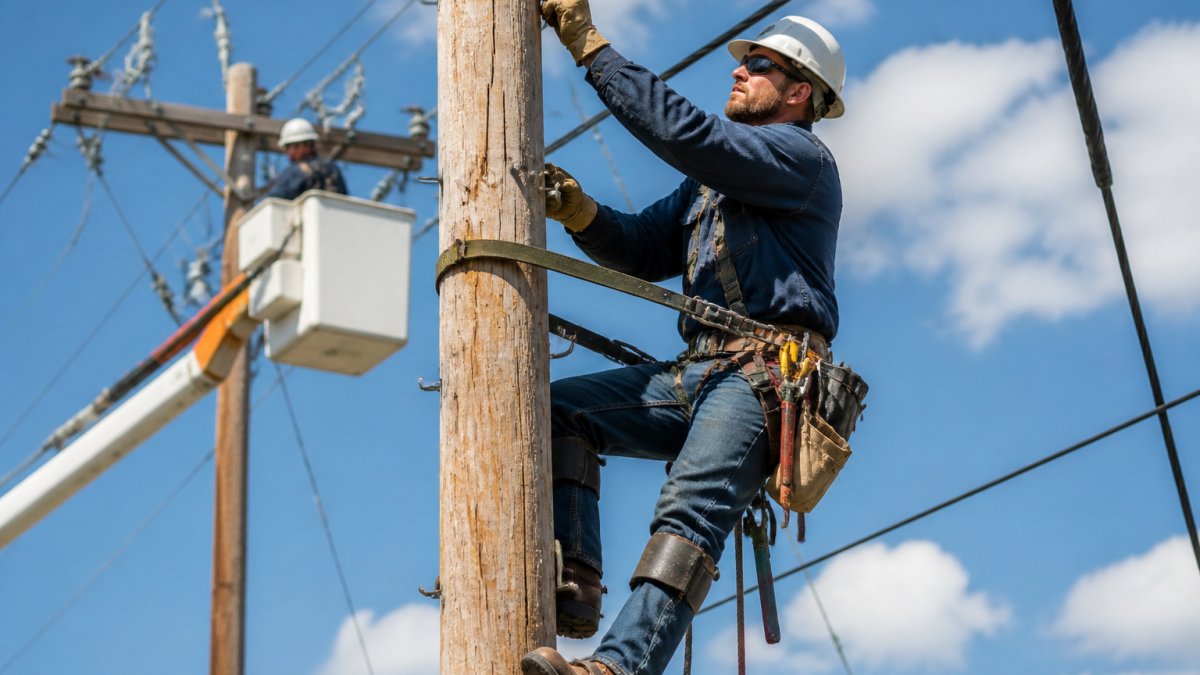
Work Shirts and FR T-Shirts
A quality work shirt is your first line of defense against cuts, abrasions, and minor burns. FR work shirts are standard in the industry because they meet arc-flash protection requirements while providing the durability lineworkers need.
Look for shirts with reinforced shoulders and upper back, these areas take the most punishment when you're climbing. Double-stitched seams last longer than single stitching. Fabric weight matters too; heavier fabrics (typically 7+ ounces) withstand repeated stress better than lightweight options.
The best work shirts balance protection with breathability. A shirt that's too heavy traps sweat and causes heat exhaustion. A shirt that's too thin offers minimal protection. Mid-weight FR fabrics (around 5-7 ounces) hit that balance for most climates and job types.
Work Pants and Durable Trousers
Work pants endure constant friction from climbing, kneeling, and crawling. Cheap pants develop thin spots in the knees and seat within weeks. Quality work pants use reinforced fabric in high-stress areas and heavy-duty stitching throughout.
Many lineworkers prefer pants with utility pockets positioned for tool access and comfort. Pants that fit too tight restrict movement; pants that fit too loose catch on equipment. The fit matters as much as the fabric when you're working at height.
FR-rated work pants provide the same arc-flash protection as FR shirts. If your job requires arc-rated apparel, your pants need to meet those standards too, mixing protected and unprotected layers leaves gaps in your defense.
Jackets and Outerwear
A durable work jacket protects against wind, minor impacts, and weather while allowing full range of motion. Lineworkers need jackets that don't restrict arm movement when climbing or reaching overhead.
Canvas and heavy-duty synthetic blends are standard because they resist tearing and provide insulation without bulk. Look for jackets with reinforced elbows and shoulders, these areas contact poles and equipment constantly.
FR-rated jackets are available for environments where arc flash risk is present. Even in moderate climates, a quality jacket extends the life of your other apparel by protecting shirts underneath from the worst wear.
Rain Gear and Weather Protection
Rain gear isn't optional in linework. You can't wait for clear skies when the storm knocked out power. Proper rain gear keeps you dry and maintains visibility in bad conditions.
FR-rated rain jackets and pants exist for situations where you need both weather protection and arc-flash protection. Standard waterproof rain gear works fine when arc rating isn't required, but confirm your employer's requirements before buying.
Durability in rain gear means sealed seams, reinforced stress points, and fabric that doesn't degrade after repeated wet-dry cycles. Cheap rain gear gets stiff, cracks, and leaks within a season.
Hi-Vis Clothing and Safety Visibility
High-visibility apparel ensures you're seen on job sites, especially in low-light conditions or around heavy equipment. ANSI/ISEA standards define hi-vis requirements based on visibility distance and hazard level.
Class 2 hi-vis (the most common for linework) requires retroreflective material covering at least 755 square inches of the garment. Class 3 provides greater visibility but is less common unless you're working roadside.
The best hi-vis apparel integrates reflective material into durable base garments rather than just adding strips. A quality hi-vis work shirt combines protection, durability, and visibility in one piece.
Winter Layering for Lineworkers: Stay Warm Without Sacrificing Mobility
Winter layering is an art. Too many layers and you can't move. Too few and you freeze. The goal is trapping warmth while maintaining the mobility climbing and detailed work demand.
Start with a moisture-wicking base layer that pulls sweat away from your skin. Cotton holds moisture and causes chilling; synthetic blends or wool dry faster and keep you warmer when wet.
The middle layer provides insulation. A fleece or wool mid-layer traps air without adding bulk. Avoid down because it loses insulation when wet and takes forever to dry.
The outer layer blocks wind and moisture. Your FR work shirt and jacket serve this purpose.
The key to winter layering for lineworkers is choosing materials that work together. A synthetic base layer under an FR shirt under a canvas jacket keeps you warm and protected without restricting movement.
Lineworker Clothing Size Guide: Getting the Right Fit Online
Buying apparel online means you can't try it on first. Getting the fit right requires knowing your measurements and understanding how different brands size their gear.
Measure your chest at the fullest point, your waist at the natural waistline, and your inseam from crotch to ankle.
Lineworker apparel typically runs slightly larger than casual clothing because it needs to accommodate layering and movement. A shirt that fits perfectly with no layers feels tight when you're wearing a base layer underneath.
Sleeve length matters more in linework than in regular jobs. Short sleeves that ride up when you reach overhead leave your wrists exposed. Long sleeves that bunch at your hands create safety hazards.
Quality retailers provide detailed product photos showing fit and construction details. Reading customer reviews from other lineworkers gives you real-world feedback on how specific items actually fit during work.
Durability, Care, and Cost of Ownership
The durability of lineworker apparel depends on both the quality of the garment and how you care for it. Proper laundering extends the life of your gear significantly.
Wash work apparel in cold water with mild detergent. Hot water weakens fabric fibers and can damage FR treatments. Avoid bleach, which degrades protective finishes. Dry on low heat or air dry, high heat shrinks and weakens fabric.
Heavy-duty work shirts typically last 2-3 years with proper care. Budget work shirts might last one season.
Add in the time replacing worn-out gear, the risk of protection failure mid-job, and the potential for injury when apparel fails, and quality becomes the only economical choice.
Inspect your apparel regularly for damage. Small tears get bigger with each wash. Fraying seams split completely. Catching problems early means a repair instead of replacement.
Why Lineworkers Choose Quality Apparel Over Cheap Alternatives
Most lineworkers who've been in the trade more than a few years have learned this lesson the hard way.
The difference isn't just durability, it's reliability. When you're working at height or in dangerous conditions, you need to know your gear won't fail you. Cheap apparel creates doubt.
Experienced lineworkers also understand that quality apparel is an investment in comfort. A well-fitting shirt that breathes properly and moves with your body makes an 12-hour shift bearable.
Beyond personal benefit, quality apparel demonstrates respect for the trade. Lineworkers take pride in their work and in being part of a profession that powers the nation.
The brotherhood of linework is built on mutual respect and shared standards. When you wear gear designed for lineworkers by people who understand the trade, you're part of that community.
Buying durable lineworker clothing online means investing in apparel that protects you, lasts through multiple seasons, and keeps you comfortable during the toughest conditions. When you're ready to upgrade your wardrobe with gear built by people who understand your trade, explore Line Life Supply Co.'s lineman collection and find the apparel that matches your job and your pride in the profession.
Frequently Asked Questions
What's the difference between flame-resistant clothing and arc-rated FR clothing?
Flame-resistant (FR) clothing resists ignition and slows burning, while arc-rated clothing is tested and rated for protection against arc-flash incidents. Arc-rated apparel carries a specific ATPV (Arc Thermal Performance Value) rating, measured in calories per square centimeter. For lineworkers exposed to electrical hazards, arc-rated clothing provides a higher level of documented protection. FR clothing alone may not meet OSHA requirements for arc-flash hazards. Always check the garment label for arc rating specifications and match them to your job site's hazard assessment.
How do I choose the right size when buying lineworker clothing online?
Measure your chest, waist, inseam, and sleeve length while wearing work clothes or a light layer underneath. Lineworker apparel typically runs true to size, but fit varies by brand and style. Order a size that allows room for movement and layering without excess fabric that could catch on equipment. Check the return policy before purchasing. Many online retailers offer free returns, which is crucial when you can't try on gear in person. If ordering for a crew, ask about bulk sizing options or fit guarantees.
What should I look for in durable lineworker clothing?
Look for reinforced seams, high-quality fabric blends that withstand abrasion, and construction designed for the demands of climbing and storm work. Durable lineworker clothing features double-stitched seams, quality thread, and materials that resist tearing from sharp equipment and rough terrain. Check for gusseted underarms, reinforced pockets, and hems that won't unravel after repeated washing. Read customer reviews from active lineworkers about how garments hold up after a season of use. Garments with proven longevity reduce replacement costs and keep you safer on the job.
How do I care for work clothes to make them last longer?
Wash work apparel separately in cold water with mild detergent, avoiding bleach and fabric softener, which can degrade FR properties and durability. Tumble dry on low heat or air dry to prevent shrinkage and extend fabric life. Check care labels for specific instructions, especially on FR and arc-rated garments, as some require special laundering to maintain protection ratings. Repair small tears and worn seams promptly before they worsen. Proper care directly extends garment lifespan and maintains safety properties, making it a cost-effective investment in your workwear.