 how-to
How to Clean Grease From Work Shirts: A Step-by-Step Guide
Table of Contents
- Why Grease Stains Need Immediate Action
- How to Remove Grease Stains From Clothes: Pre-Treatment Essentials
- How to Get Dried Grease Out of Clothes: Tackling Set-In Stains
- How to Wash Greasy Work Clothes: Water Temperature and Detergent Selection
- Best Stain Remover for Grease on Clothes: Product Options and Fabric Care
- Checking Your Work Before the Dryer
- Safety and Troubleshooting: Common Mistakes to Avoid
- Preventing Grease Stains on Work Shirts
- Frequently Asked Questions
Last Updated: October 16, 2026
Why Grease Stains Need Immediate Action
Grease stains on work shirts set fast, the longer you wait, the deeper the oil soaks into fabric fibers.
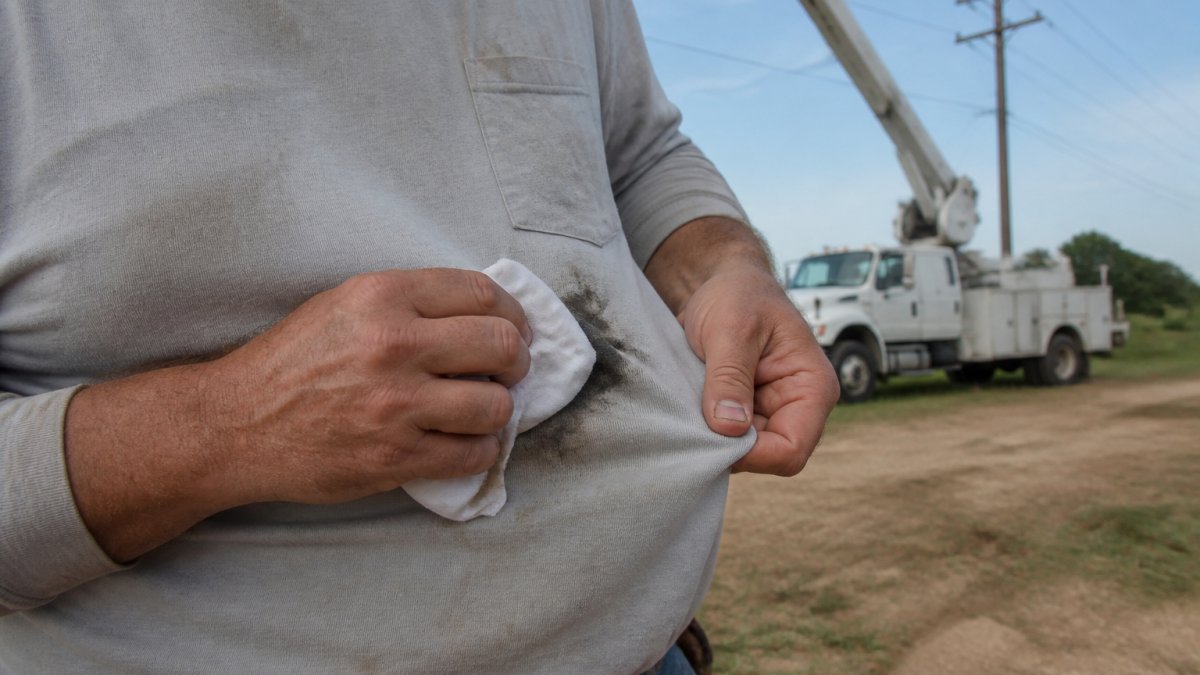
Dish soap, the right water temperature, and the correct technique remove most grease stains if you act fast.
How to Remove Grease Stains From Clothes: Pre-Treatment Essentials
The first 10 minutes after a grease stain happens are critical, stop the oil from soaking deeper. This is where how to clean grease from work shirts begins.
Blot, Don't Rub: The First Critical Step
Blotting removes loose oil without pushing it deeper; rubbing spreads the stain and forces grease into fibers. Press a clean cloth or paper towel gently on the stain for 5-10 seconds, then lift.
Repeat with a fresh part of the cloth until no more oil transfers.
Never use hot water at this stage. Cold or room temperature is fine. Hot water opens fabric fibers and lets grease sink in faster.
Apply Dish Soap or Laundry Detergent Directly
Dish soap cuts through grease better than laundry detergent alone because it's formulated to break down oil in water.
Work the soap in for 30 seconds to 1 minute so it coats the grease and starts breaking it down.
Let it sit for 5-15 minutes so the soap can break down the oil. Don't let it dry completely, add a few drops of water if it starts to.
How to Get Dried Grease Out of Clothes: Tackling Set-In Stains
Set-in stains that have sat for hours or days need more aggressive treatment, the oil has bonded with the fabric, and standard washing won't remove it.
| Treatment Method | Best For | Time Required |
|---|---|---|
| Dish soap + water | Fresh stains | 5-15 minutes |
| Cornstarch + vinegar | Set-in stains | 30 minutes to overnight |
| Repeat treatment | Heavy oil residue | Multiple washes |
| Hot water wash | Final removal | 30-60 minutes |
Cornstarch and Vinegar Method for Stubborn Stains
Cornstarch absorbs oil and vinegar breaks down grease, so together they tackle stains soap alone won't remove.
Cover the greasy area with cornstarch and let it sit 30 minutes to 2 hours; the powder absorbs oil and may turn darker or wet.
Brush off the cornstarch, then apply equal parts white vinegar and water and let it sit 15-30 minutes to break down remaining grease.
Rinse with cold water, rubbing the stain gently under running water. If grease remains, repeat the cornstarch step.
Repeat Treatment for Heavy Oil Residue
Heavy industrial stains often need 2-3 rounds of treatment, one application rarely removes all the grease.
After the first treatment, rinse and check the stain in good light. If it's still visible, repeat the dish soap or cornstarch method before washing.
This matters especially for work shirts exposed to machinery oil or hydraulic fluid, these oils are thicker and more resistant than cooking grease.
How to Wash Greasy Work Clothes: Water Temperature and Detergent Selection
Water temperature changes how detergent works and how grease behaves in the wash.
Choosing the Right Water Temperature
Warm water is best for greasy work clothes, hot enough to activate detergent but not so hot that it sets the stain.
Cold water works for fresh stains because it prevents grease from spreading.
Never use hot water on an untreated greasy stain, heat opens fibers and lets oil sink deeper.
Warm water (around 120°F) is the safe choice for most greasy work clothes.
Working Detergent Into the Fabric
Use 1.5 to 2 times your normal detergent amount for greasy clothes, grease requires extra cleaning power.
For heavily soiled work clothes, rub detergent directly into the stain and let it soak 5-10 minutes before washing.
In the washing machine, use the regular or heavy-duty cycle, greasy work clothes need longer wash times and more agitation. A 30-minute cycle beats a quick wash.
Best Stain Remover for Grease on Clothes: Product Options and Fabric Care
Not every work shirt reacts the same way to grease treatment. The fiber content decides how much heat, agitation, and chemistry the fabric can take. Read the care label first, then match your method to the fiber.
Decoding the Care Label Before You Treat
The care label is the manufacturer's instruction, and ignoring it is the fastest way to ruin a shirt you could have saved. Check four things:
- Maximum water temperature. A single dot means cold, two dots mean warm, three dots mean hot. Stay at or below the marked temperature for both pre-treatment rinses and the wash.
- Bleach symbols. An empty triangle means any bleach is fine. A triangle with two diagonal lines means non-chlorine bleach only. A triangle with an X means no bleach at all.
- Tumble dry symbols. A circle inside a square means tumble dry is allowed; a circle with an X means air dry only. This matters because heat is what sets a grease stain permanently.
If the label is missing or unreadable, treat the shirt as delicate.
How Treatment Differs by Fiber
100% cotton. The most forgiving work-shirt fabric, tolerating warm water, direct dish soap, and gentle agitation with a soft brush.
Cotton-polyester blends. Common in uniform shirts, but the polyester portion holds oil more stubbornly because synthetic fibers are oleophilic.
100% polyester and other synthetics. These hold grease the longest.
Wool. Protein-based and sensitive to heat, agitation, and alkaline cleaners.
Silk. Like wool but more fragile, blot only, use mild detergent, avoid rubbing, and choose professional cleaning for significant stains.
Matching the Remover to the Fabric
- Liquid dish soap: safe on cotton, blends, and most synthetics. Avoid on wool and silk.
- Powdered or liquid laundry detergent: safe on all washable fabrics, including wool and silk when labeled wool-safe.
- Enzyme-based stain removers: effective on oil and protein soils; check the label for fabric restrictions.
Match the product to the fiber and keep water at or below the label limit to protect the shirt while you remove the stain.
Checking Your Work Before the Dryer
Never put a shirt in the dryer while the stain is still visible, dryer heat sets stains permanently.
Check the stain in bright light, wet and dry, wet stains can look smaller than they are, so let the shirt air dry partially to see the true size.
If any grease remains, repeat your treatment, a few more minutes now beats losing the shirt to the dryer.
Once the stain is gone, dry normally, tumble dry on medium heat or air dry.
Safety and Troubleshooting: Common Mistakes to Avoid
Grease removal involves oils, solvents, and detergents, each with its own handling rules. A few precautions protect you, your home, and your gear.
The Fire Risk of Oil-Soaked Clothing and Rags
This is the safety issue most people miss: oily rags piled up or stored in a confined space can self-heat and spontaneously combust when oil oxidizes faster than heat can escape.
- Never pile oily rags or greasy shirts in a heap. Spread them flat to dry in a well-ventilated area, or place them in a sealed metal container with a tight lid.
- Wash greasy items promptly. Don't let oil-soaked clothing sit in a laundry basket for days.
- Don't store oily rags indoors near heat sources. A garage corner or closed bin is not safe.
Reading Product Labels Before You Use Them
Every cleaning product carries directions and cautions. Follow them.
- Never mix cleaning products. Vinegar and chlorine bleach produce toxic chlorine gas; ammonia and bleach produce dangerous chloramine vapors. Stick to one product at a time unless the label says otherwise.
- Check for flammable ingredients. Some solvent-based stain removers are flammable, keep them away from pilot lights, water heaters, and open flame.
- Use in a ventilated space. Open a window or work outdoors when using vinegar, solvents, or strong detergents.
Quick Decision Tree for Stubborn Stains
Is the stain fresh (less than 1 hour old)?
- Yes → Blot immediately, apply dish soap, rinse with cold water, then wash warm
- No → Continue to next question
Is the stain set-in (more than 24 hours old)?
- Yes → Apply cornstarch, let sit 1-2 hours, brush off, apply vinegar solution, rinse, then wash warm
- No → Continue to next question
Does the stain still show after one treatment?
- Yes → Repeat the treatment before washing
- No → Wash in warm water with extra detergent
Did the stain survive the first wash?
- Yes → Treat again before any drying
- No → Dry normally
Common Mistakes That Cost You the Shirt
- Rubbing instead of blotting. Rubbing pushes grease deeper and spreads the stain.
- Using hot water on an untreated stain. Heat opens the fibers and locks the oil in.
- Drying before the stain is gone. Dryer heat sets grease permanently.
Treat the stain fast, match your method to the fabric, follow the product label, and never dry a shirt that still shows grease. Those four habits prevent most permanent stains and most safety problems.
Preventing Grease Stains on Work Shirts
Prevention is easier than removal. A few habits keep work shirts cleaner longer.
Wear an apron or protective layer when working with heavy grease or oil, it keeps grease off your shirt entirely.
Change shirts after a major grease exposure, a fresh shirt beats fighting a stain for hours.
Air out greasy clothes before washing, hanging them outside for a few hours helps some oils evaporate.
Quality work shirts matter, durable fabrics hold up better to repeated stain treatment.
Grease stains don't have to mean the end of a work shirt. When you're ready for durable work shirts built to handle the demands of your job, quality workwear designed for lineworkers can help you build a wardrobe that lasts.
Frequently Asked Questions
Does hot or cold water remove grease better?
Warm to hot water works best for grease stains because heat helps break down oil residue and allows detergent to penetrate fabric more effectively. However, always check your work shirt's care label first, some fabrics require cold water to prevent damage. For fresh grease stains, warm water combined with direct detergent application gives the fastest results. For set-in stains, hot water during the wash cycle after pre-treatment yields better outcomes, but never use heat until you've confirmed the stain is gone, as heat can permanently set grease into fabric.
Can dish soap remove grease stains from work shirts?
Yes, dish soap is highly effective for removing grease stains from work shirts because it's formulated to break down oil. Apply it directly to the stain before washing, work it gently into the fabric, and let it sit for 5-15 minutes. Dish soap works particularly well on fresh grease stains and oil residue from equipment or tools. For best results, use a small amount and rinse thoroughly after treatment to prevent soap buildup. Many lineworkers prefer dish soap for immediate on-site treatment before the shirt reaches home for full washing.
What should I do if a grease stain remains after washing and drying?
If a grease stain persists after washing and drying, do not use the dryer again, heat sets the stain permanently. Instead, repeat the pre-treatment process: apply dish soap or laundry detergent directly to the dried stain, work it in gently, and let it sit for 15-30 minutes. For stubborn stains, try the cornstarch and vinegar method to absorb remaining oil residue. Wash again in warm water and inspect the stain before drying. Dried grease stains may require 2-3 treatment cycles, so patience and repeated application are key for heavy-duty work clothes.
How quickly should I treat a grease stain on a work shirt?
Act as soon as possible after the stain occurs. Fresh grease stains are much easier to remove than set-in stains because the oil hasn't bonded deeply to fabric fibers. If you can blot and apply detergent within hours of the stain, your success rate increases significantly. For work shirts worn during long shifts, treat the stain the same day you return home. If you must wait, store the shirt separately and avoid washing it with other clothes until treated, as grease can transfer to adjacent garments during the wash cycle.